
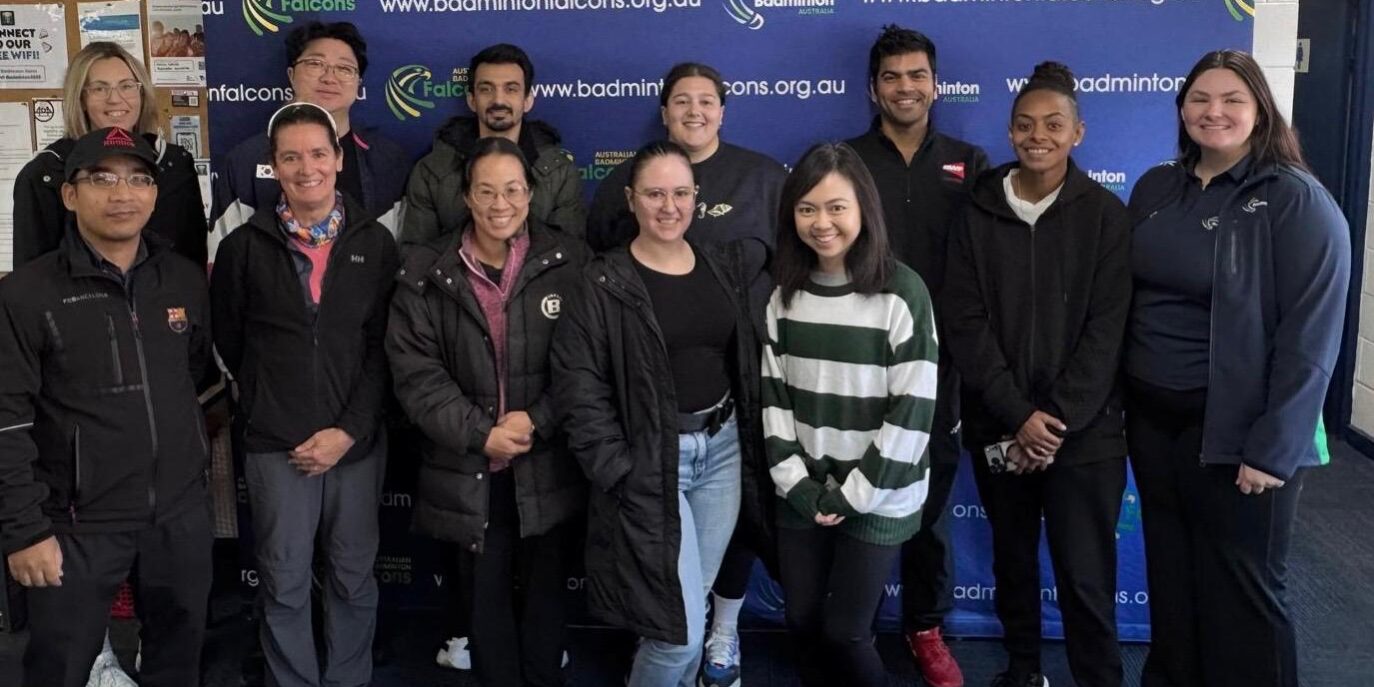
VICTORIA, AUSTRALIA — Ahead of last week’s YONEX Australian Para Badminton National Championships, nine aspiring Para badminton classifiers gathered in Melbourne to take a significant step forward in developing their expertise.
The BWF National Classifier Workshop (Level 1) from 27-29 May brought together participants from Australia and Fiji. Hosted by Badminton Australia in conjunction with BWF and Paralympics Australia, the workshop aimed to strengthen national capacity in in this critical area of the sport.
Paving the Way, Lifting the Standard
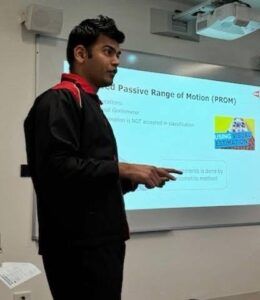
Pinakin Godsee led his first National Para Badminton Classifier Workshop.
Leading the course was Australia’s Pinakin Godsee.
Godsee made history in June 2025 when he became Oceania’s first International BWF Para Badminton Classifier. Conducting his first course, he guided the participants through a mix of theory, discussions, case studies, and practical observation sessions.
At the heart of the programme is the goal of building stronger pathways within the sport.
“Watching participants engage with the classification process, asking the right questions, and challenging assumptions was a reminder of why this work matters,” he wrote on a social media post. “More classifiers. More access. More athletes competing fairly.”
Strengthening the Foundations
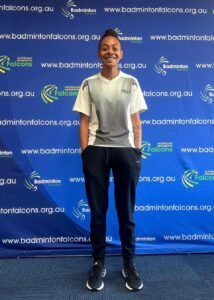
Chloe Kumar developed her skills and knowledge at the BWF National Para Badminton Classification Workshop (Level 1) in Melbourne.
Among the group was Fiji’s Chloe Kumar, who travelled to Melbourne with support from Badminton Oceania.
As only the second individual from Fiji to complete the workshop, Kumar’s involvement stands for something greater than herself.
“The workshop represents an important step in strengthening Para badminton in Fiji and supporting the continued growth of inclusive and equitable sporting opportunities for athletes with disabilities,” she explained in a report to BOC.
From her perspective, the course successfully deepened participants’ understanding of key principles, including the Minimum Impairment Criteria and the classification pathway from athlete assessment through to sport class allocation.
Kumar also highlighted the broader impact of the training on Fiji’s development plans.
“The components learned from this course will go towards building a strong Fiji Para badminton contingent,” she wrote. “We have in our plans to host a National Para Badminton Tournament in Fiji.”
With initiatives like these gaining momentum, Fiji is well positioned to continue developing the sport ahead of next year’s Oceania Para Badminton Championships.