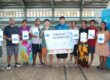

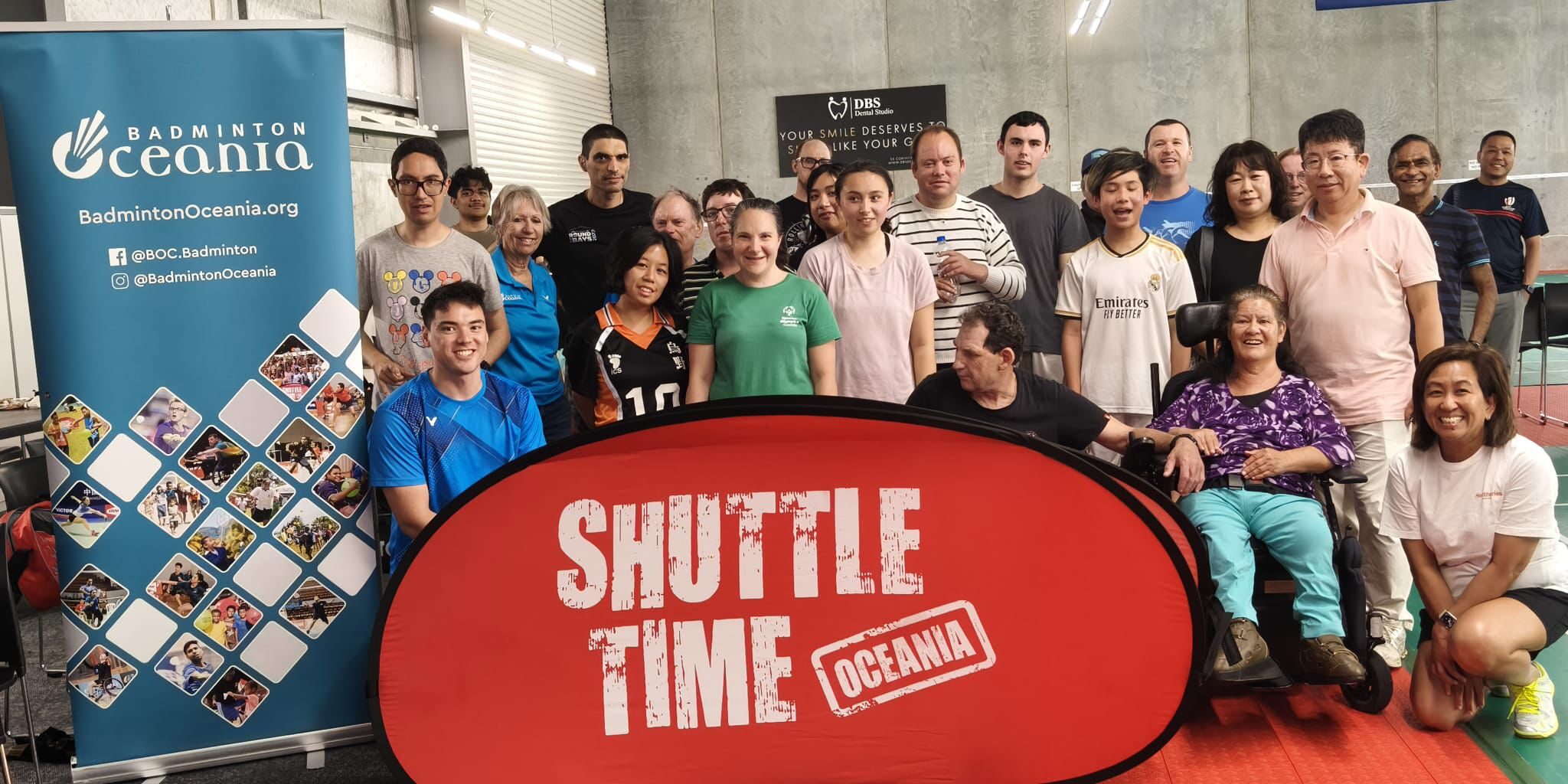
When Chrissa Pearce moved from Wellington to Auckland, she couldn’t find a badminton club that suited her. But rather than simply searching, the Special Olympics New Zealand Athlete Leader wanted to help create something new—a badminton programme that would welcome people with intellectual and developmental disabilities across the Auckland region.
“My background playing badminton was in Wellington and I couldn’t find a club that suited me when I moved to Auckland,” Pearce said. “I did want to see a programme for people with disabilities to learn a new sport that I love to do.”
That vision became reality in 2025 when Badminton Oceania, Badminton North Harbour, and Special Olympics New Zealand (SONZ) launched the Wider Auckland Intellectual Disability Inclusive Badminton programme. What started as a “have-a-go” day in March evolved into sessions running through December.
Building Momentum Through Partnership
Sam Kreutzer, BOC’s Participation and Development Manager, explained that the initiative emerged from recognising badminton’s inclusive nature and strong community interest.
“Badminton is an inclusive sport, and we feel there is a need throughout the region to be more intentional about providing participation opportunities to the intellectual disability community,” Kreutzer said. “We also had a lot of support from SONZ in getting this started.”
When BOC approached SONZ, they found an eager champion in Pearce, who already had a list of friends from the Special Olympics Greenhithe Club she wanted to invite. The programme, based in North Harbour, welcomed participants from across the wider Auckland region.
Finding the Right Balance
The response exceeded expectations—20 people showed up to the initial trial session, many having played casually with family before.
“There was a lot of excitement from our first have-a-go session in March through to our last session for the year in December,” Kreutzer recalled. “I was pleasantly surprised to hear from many of the participants that they had played badminton in the past.”
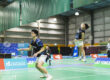
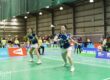
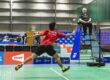
The Saturday sessions at Active Badminton Centre accommodated between 14 and 23 participants across three courts, with programming adapted to accommodate varied abilities.
As players became more comfortable on the court, the format evolved to include a 20-minute Shuttle Time activity focused on a specific skill, followed by casual play with participants paired by ability level.
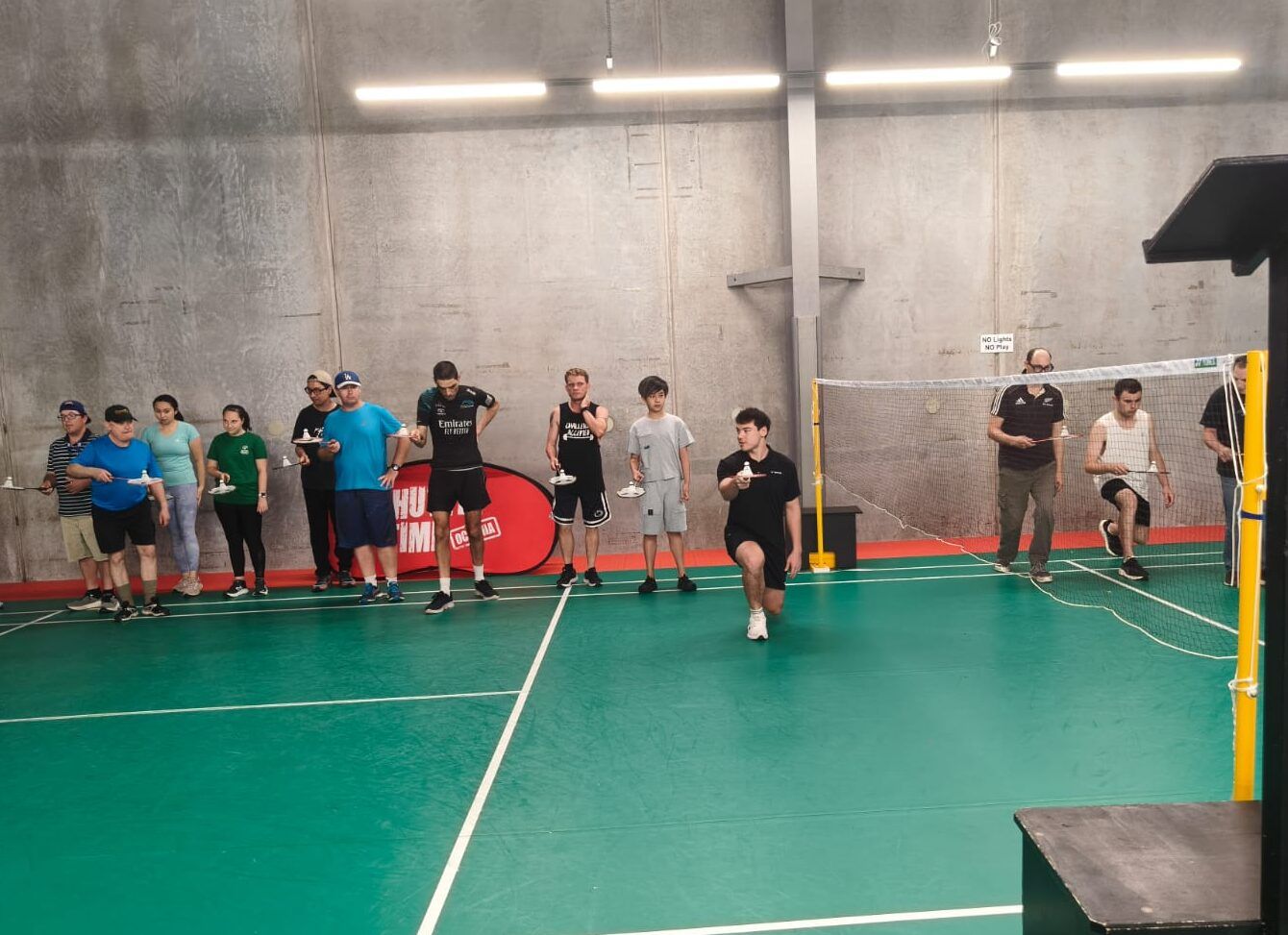
One of the best aspects of Shuttle Time activities is that they can be adapted for different levels of skill.
Equipment choices proved crucial. “We experimented with paper balloons and foam balls to ensure that the equipment we had was suited to the different coordination abilities for each individual,” Kreutzer noted. “The paper balloons moved very slowly in the air, so they were good as a way to get newcomers started with learning hand-eye coordination.”
Personal Growth and Regional Expansion
Beyond skill development, organisers witnessed remarkable personal transformations. “It was very rewarding to see the excitement that they had when they were able to do a particular skill that we were teaching,” Kreutzer said. “It was equally rewarding to see the comfort of participants grow over time. We had a case where one participant never spoke at the sessions for the first few months, but then was very outgoing by the time we reached the final session.”
For Pearce, the programme fulfilled a long-held dream. “My dream has been to get badminton going as a Special Olympic sport because it is a sport that I love and I would like to encourage other athletes to try new things and be the best they can be,” she said. “This is something that I have achieved—I have succeeded in getting a badminton program going in Albany on Saturdays.”
The success has inspired broader expansion plans. BOC aims to launch at least one additional programme in a separate New Zealand location in 2026, while working toward making the Wider Auckland programme an official SONZ affiliate. The momentum is spreading across the Oceania region, with Special Olympics badminton programmes continuing to grow in Guam, PNG, and Samoa.
“In the end, it did not take too much to get this programme off the ground,” Kreutzer reflected. “The interest was clearly there from the community. A very good group of volunteers made themselves available consistently to support the programme, and I’m sure it will only continue to become more of a self-sufficient programme as it matures.”
As the programme enters its next phase, Pearce has a message for other Special Olympics athletes: “I would love to welcome other SO athletes to come along and give badminton a try. It’s a great game and I am sure you will enjoy it.”